Applied Behavior Analysis (ABA) therapy has become a cornerstone in behavioral interventions, particularly for children with autism spectrum disorder (ASD). As demand for ABA therapy in NY climbs, families must understand the qualifications and credentials required for ABA therapists to ensure effective outcomes. It is crucial to choose professionals who not only have the requisite academic background but also possess the practical experience that contributes to successful intervention strategies.
Educational Requirements
The foundation of becoming an ABA therapist begins with a solid educational background. A bachelor’s degree in psychology, special education, or a related field is commonly required. However, to enhance their skills and effectiveness, many therapists pursue advanced degrees. A master’s degree in Applied Behavior Analysis or related disciplines makes candidates more competitive and knowledgeable in the intricacies of behavior therapy techniques.
Board Certification
One of the most significant qualifications for ABA therapists is becoming a Board Certified Behavior Analyst (BCBA). This certification is overseen by the Behavior Analyst Certification Board (BACB). Becoming a BCBA involves completing specified coursework, accruing supervised fieldwork hours, and passing a rigorous exam. For families seeking ABA therapy in NY, verifying that the therapist is a BCBA can assure quality and adherence to best practices in therapy.
Practical Experience
Aside from educational credentials, practical experience is vital. Aspiring ABA therapists need supervised clinical experience. This hands-on training allows therapists to apply theoretical knowledge in real-world settings, understand various behavior modification techniques, and direct client interactions. Experienced therapists are better equipped to tackle diverse challenges that arise during the course of therapy.
Personal Qualities
While educational qualifications are crucial, personal attributes also play a significant role. Successful ABA therapists should exhibit patience, empathy, and strong communication skills. Working with children and families requires an understanding of the unique challenges faced by each client. An effective therapist must establish rapport and trust with both the child and the family to facilitate positive changes.
Continuing Education
The field of ABA therapy is continually evolving, with ongoing research bringing new insights and methods. Hence, continuing education is often a requirement for maintaining certification and staying updated with the latest advancements. Engaging in workshops, seminars, and further coursework ensures that therapists can provide the most current and effective ABA therapy in NY.
Cultural Competency
In diverse states like New York, cultural competency is an increasingly important qualification. ABA therapists must be sensitive to and knowledgeable about different cultural backgrounds and how these can influence behavior and therapeutic approaches. Being able to tailor interventions to fit cultural contexts ensures more personalized and effective treatment.
Regulatory Compliance and Ethics
ABA therapists must adhere to nationwide and state-specific regulations and ethical standards. This compliance ensures that therapy is conducted within legal frameworks and upholds the highest ethical standards, providing peace of mind for families seeking help. Understanding and respecting client confidentiality and autonomy form the bedrock of ethical practice in ABA therapy.
Conclusion
Selecting a qualified ABA therapist entails a comprehensive review of educational backgrounds, certifications, and practical experience. As the demand for ABA therapy in NY grows, informed choices ensure that children and families receive valuable, effective, and sensitive interventions. Remember to verify board certifications, like BCBA, to ensure adherence to approved practices. With the right qualifications and personal attributes, ABA therapists can significantly impact families and aid in the developmental progress of children needing behavioral interventions.
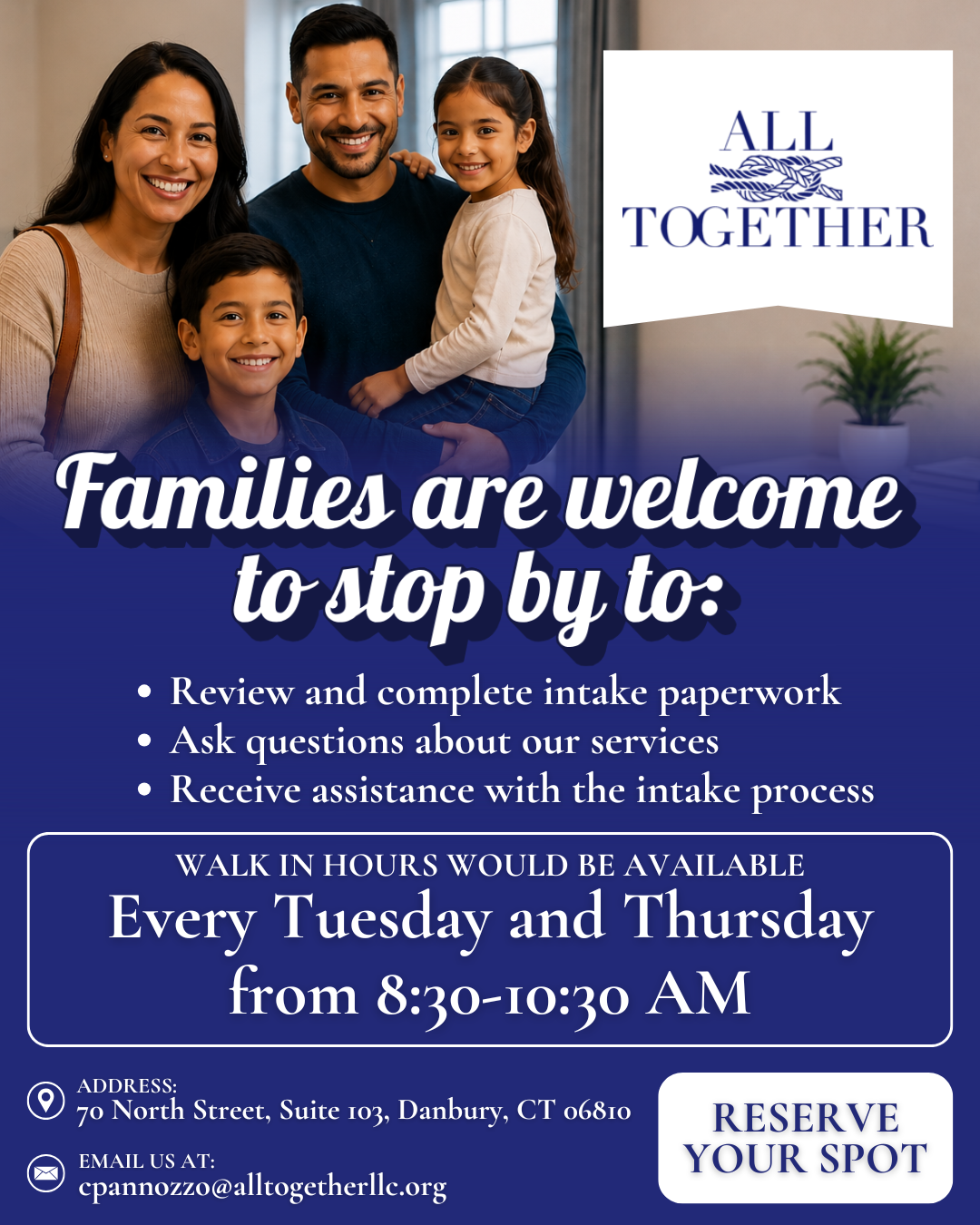
For families seeking reputable professionals, it’s recommended to consult local service providers such as All Together ABA, which can guide you in finding qualified therapists committed to improving lives through dedicated and innovative ABA therapy.